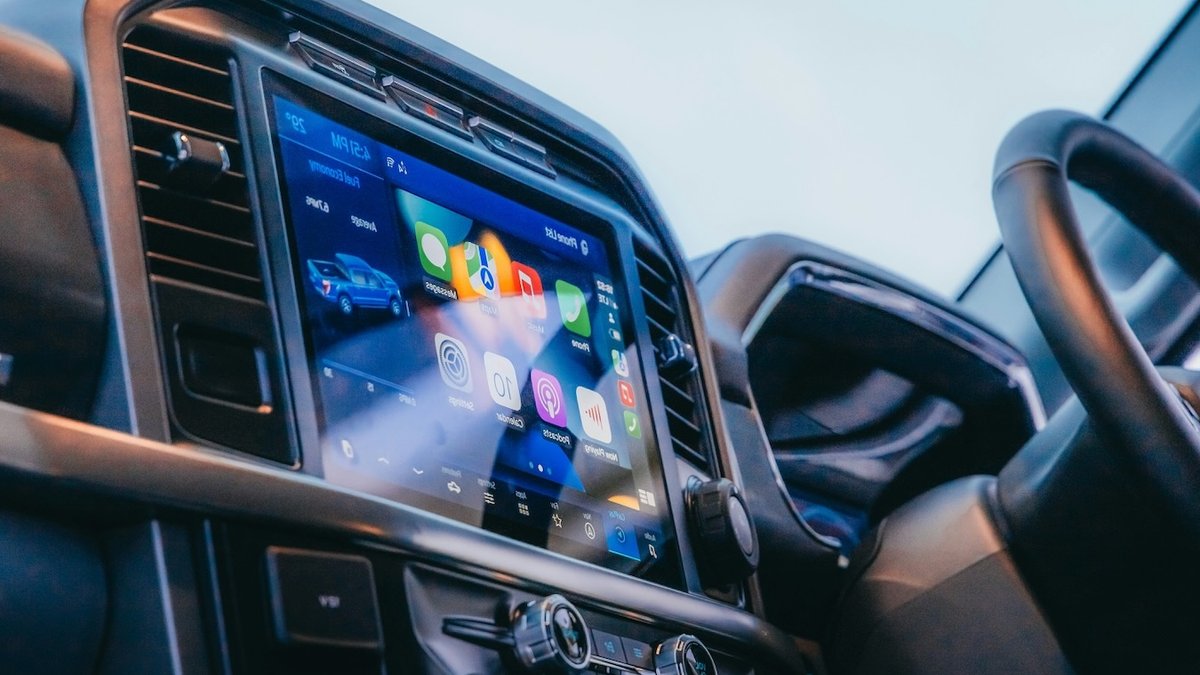
When testing a connected car, it’s essential to look beyond the impressive showroom demo. A connected car deserves a little inconvenience during the test drive to ensure it can handle everyday life. Pair the phone you actually carry, not the dealer’s handset that has already been paired, to see how well the system works with your device.
Testing the Connection
Tell the salesperson you want a clean start, delete the demo phone, and try pairing your phone with the car’s system. Pretend you have stopped at a service station, leave the car locked for half a minute, then slip back behind the wheel to see if the phone reconnects quickly. Try a second phone as well to test which handset takes priority and whether the passenger can choose music without knocking out the driver’s navigation.
A proper pairing test matters, as seen in the review of Android Auto, where the Android phone connected in seconds, while the iPhone would not connect during the test.
Leaving the Dealer’s Network Behind
Ask whether the vehicle is connected to the showroom Wi-Fi and take it off the dealer network or drive far enough away to lose the signal. Give the system a real job, such as finding a café or charger a few suburbs away, starting a song, and changing the route by voice as the reception begins to fade. This will help you understand how the system performs in real-world conditions.
The blue route line might stay put, but everything around it can start peeling away, such as the traffic stopping to update, the café search hanging, the cover art vanishing, and the voice assistant giving up. It’s essential to test the system’s performance in areas with patchy coverage, as you would experience on Australian regional drives, where a reliable personal experience is key.
Related: Research paper to order
Checking the Controls
Keep the car parked and try to find the important controls without hunting, such as clearing the glass, cooling the cabin, turning the fan down, bringing up the reversing camera, and quietening the alert. The hazard switch should not need a search party either. During the drive, keep every interaction safe and legal, as in-car distractions can seriously impair driving, according to Australian Government research.
With your eyes up, try turning the fan down or bringing the camera onto the screen. If your hand keeps missing the control, the layout is asking too much attention for an ordinary task. A vast display is not automatically a better interface; the best setup lets you finish the job and look back at the road.
Evaluating the Cost
Strip the showroom discount back to one figure by using the advertised starting price to calculate the price after the percentage is applied, then compare that figure with the written quote.
Bring the awkward item that must fit, such as a folded pram or a portable fridge, to test the boot capacity. Measure the item’s box-like length, width, and height, then calculate how much cubic-foot space it occupies. Put it through the actual opening to see if it fits comfortably. A proper connected-car test is not about making the screen fail for sport; it’s about finding the small annoyances before they follow you home.
It is about the experience.